


Cart is empty. Please go to your home page for listing it.
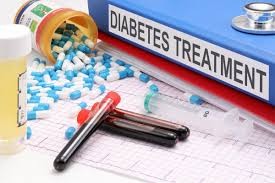

1. Insulin: Insulin is a hormone that helps regulate blood sugar levels in the body. It is commonly used to treat type 1 diabetes, where the body does not produce enough insulin, and sometimes in type 2 diabetes, where the body does not respond properly to insulin.
2. Metformin: Metformin is an oral medication that helps lower blood sugar levels by reducing the amount of glucose produced by the liver and increasing the body's sensitivity to insulin. It is often the first-line treatment for type 2 diabetes.
3. Sulfonylureas: Sulfonylureas are a class of oral medications that stimulate the pancreas to produce more insulin. They are commonly used in combination with other diabetes medications to help lower blood sugar levels.
4. Thiazolidinediones: Thiazolidinediones, also known as glitazones, are oral medications that help improve the body's sensitivity to insulin. They are often used in combination with other diabetes medications to help control blood sugar levels.
5. DPP-4 inhibitors: DPP-4 inhibitors are a class of oral medications that help lower blood sugar levels by increasing the amount of insulin released by the pancreas and decreasing the amount of glucose produced by the liver.
6. GLP-1 receptor agonists: GLP-1 receptor agonists are injectable medications that help lower blood sugar levels by stimulating the release of insulin and slowing down the absorption of glucose from the intestines.
7. SGLT2 inhibitors: SGLT2 inhibitors are a class of oral medications that help lower blood sugar levels by preventing the kidneys from reabsorbing glucose into the blood. They also promote the excretion of glucose through urine.
8. Alpha-glucosidase inhibitors: Alpha-glucosidase inhibitors are oral medications that help lower blood sugar levels by slowing down the digestion of carbohydrates in the intestines, which helps prevent spikes in blood sugar after meals.



0 COMMENTS